In the fast-paced world of ecommerce, customer satisfaction is the key to success. One factor that plays a major role but often goes unnoticed is the impact of backend systems on ecommerce fulfillment performance. These systems are the backbone of online stores, managing orders, inventory, shipping, and returns. When backend systems work efficiently, fulfillment is smooth, and customers are happy. When they fail, it can cause delays, errors, and frustration.
Understanding how the impact of backend systems on ecommerce fulfillment performance affects the customer experience is critical for ecommerce businesses aiming to maintain loyalty and grow their market share. This article will explain the topic in simple, easy-to-read language and cover all important aspects.

What Are Backend Systems in Ecommerce?
Backend systems are software and technology that manage all the behind-the-scenes operations of an ecommerce business.
These include:
- Order Management Systems (OMS): Track customer orders from placement to delivery.
- Inventory Management Systems (IMS): Monitor stock levels to prevent overselling or stockouts.
- Warehouse Management Systems (WMS): Optimize storage, picking, packing, and shipping.
- Customer Relationship Management (CRM): Manage customer data and interactions.
- Shipping and Logistics Systems: Coordinate deliveries with carriers and track shipments.
The efficiency of these backend systems directly influences the impact of backend systems on ecommerce fulfillment performance, which in turn affects customer satisfaction.
Why Backend Systems Matter in Ecommerce Fulfillment
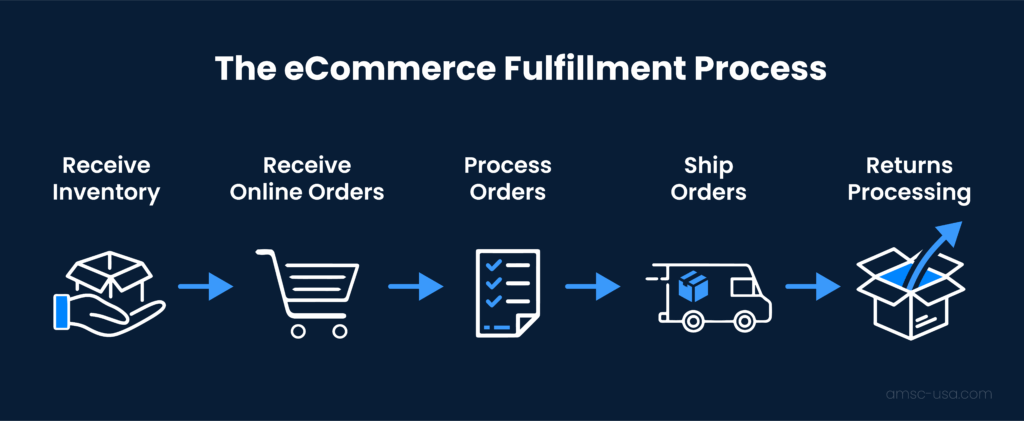
Ecommerce fulfillment is the process of delivering products to customers efficiently. The impact of backend systems on ecommerce fulfillment performance is critical because Founders Need Better Ecommerce Internal Systems for Growth:
- Fast and accurate order processing ensures customers receive what they ordered.
- Real-time inventory management prevents stockouts or delays.
- Efficient warehouse operations reduce shipping time.
- Automated processes minimize human errors.
If backend systems are outdated or poorly integrated, these processes are disrupted, leading to mistakes, delayed shipments, and frustrated customers.
How Backend Systems Affect Customer Experience
Customer experience depends heavily on how well orders are processed and delivered. Let’s explore how the impact of backend systems on ecommerce fulfillment performance affects the customer journey:
• Order Accuracy
Backend systems ensure that the right product, size, and quantity are shipped.
- Poor order management can result in wrong shipments.
- Wrong orders lead to returns, complaints, and negative reviews.
- Accurate backend systems improve order accuracy, boosting customer trust.
• Delivery Speed
Efficient backend systems reduce the time between order placement and delivery.
- Fast fulfillment improves shipping performance.
- Customers expect quick delivery, especially with the rise of same-day and next-day services.
- Delays caused by slow backend processing negatively affect the impact of backend systems on ecommerce fulfillment performance.
• Inventory Transparency
Backend systems provide real-time updates on stock availability.
- Customers can see whether items are in stock before ordering.
- Avoids canceled orders due to unavailability.
- Good inventory management strengthens inventory control efficiency.
• Handling Returns and Refunds
Effective backend systems streamline returns and refunds.
- Easy return processes enhance customer satisfaction and loyalty.
- Poor systems make returns complicated, causing dissatisfaction and lost customers.
- This shows how the impact of backend systems on ecommerce fulfillment performance affects customer trust.
• Customer Communication
Backend systems integrate with CRMs to provide notifications about order status.
- Customers receive real-time updates on shipping, delays, or issues.
- Effective communication improves the customer experience journey.
- Lack of updates makes customers feel ignored or frustrated.
Challenges When Backend Systems Fail
Even minor issues in backend systems can impact fulfillment and customer experience:
- System Downtime: Delays in processing orders.
- Data Inconsistencies: Wrong inventory counts or order details.
- Poor Integration: Separate systems not sharing data lead to inefficiencies.
- Manual Errors: Without automation, mistakes increase.
Each of these challenges highlights the importance of the impact of backend systems on ecommerce fulfillment performance in maintaining a positive customer experience.
Best Practices to Improve Backend Systems
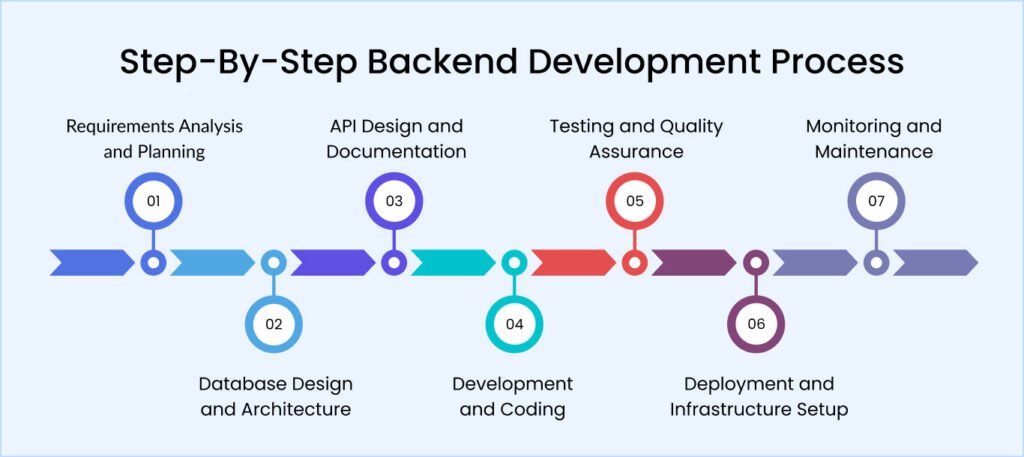
Ecommerce businesses can enhance fulfillment performance by optimizing backend systems:
- Integrate Systems: OMS, WMS, and IMS should work together seamlessly.
- Automate Processes: Use automation to reduce manual errors and speed up operations.
- Real-Time Inventory Tracking: Prevent stockouts and overstock issues.
- Monitor Performance Metrics: Track shipping times, error rates, and fulfillment efficiency.
- Regular Updates and Maintenance: Keep systems updated to avoid downtime and glitches.
Implementing these practices improves the impact of backend systems on ecommerce fulfillment performance, leading to faster delivery, accurate orders, and satisfied customers.
Future Trends in Backend Systems for Ecommerce
The ecommerce landscape is constantly evolving. Backend systems are adapting to meet customer expectations:
- AI and Machine Learning: Predict demand and optimize stock placement.
- Robotic Process Automation (RPA): Improve warehouse efficiency and reduce errors.
- Cloud-Based Systems: Enable scalability and integration across multiple sales channels.
- Advanced Analytics: Track fulfillment performance and customer satisfaction metrics.
By adopting these technologies, businesses can enhance the impact of backend systems on ecommerce fulfillment performance and deliver superior customer experiences.
Conclusion
The impact of backend systems on ecommerce fulfillment performance and Ecommerce Backend Workflow Systems is a critical factor in shaping customer experience. Efficient backend systems ensure accurate orders, fast delivery, real-time inventory updates, ecommerce fulfillment challenges and smooth returns. They also improve communication and trust between businesses and customers.
Poorly managed backend systems, on the other hand, lead to delays, errors, and customer dissatisfaction. Ecommerce businesses that invest in modern, integrated, and automated backend systems can improve fulfillment performance, build customer loyalty, and gain a competitive advantage.
Ultimately, the customer experience depends heavily on what happens behind the scenes. A seamless backend system ensures customers feel valued, confident, and satisfied with every order, making them more likely to return.
FAQs
1. What is the impact of backend systems on ecommerce fulfillment performance?
The impact of backend systems on ecommerce fulfillment performance includes faster order processing, accurate shipments, and real-time inventory management. Efficient backend systems directly improve customer satisfaction by ensuring smooth fulfillment.
2. How do backend systems affect delivery speed?
Backend systems optimize order processing, warehouse operations, and shipping coordination. Faster backend processing reduces delays and improves shipping performance, which enhances the overall customer experience.
3. Can backend systems reduce errors in ecommerce fulfillment?
Yes, automation in backend systems minimizes manual errors. Accurate inventory management and integrated order tracking reduce mistakes, demonstrating the positive impact of backend systems on ecommerce fulfillment performance.
4. How does backend system failure affect customers?
Failures can lead to delayed shipments, incorrect orders, and poor communication. Customers may feel frustrated and lose trust in the brand, highlighting the importance of reliable backend systems.
5. What are the best practices to improve backend systems?
Integrating OMS, WMS, and IMS, automating processes, real-time inventory tracking, and using advanced analytics improve fulfillment efficiency. These measures enhance the impact of backend systems on ecommerce fulfillment performance and boost customer satisfaction.
Focus
impact of backend systems on ecommerce fulfillment performance
LSI
- shipping performance
- inventory control efficiency
- customer experience journey
- ecommerce fulfillment challenges