Building a strong and well-organized team is one of the most important steps for growing any ecommerce business. When your brand starts scaling, things can quickly become messy if you don’t have the right structure in place. Orders increase, customers demand faster support, marketing becomes complex, and inventory needs better management.
This is where a proper ecommerce operations team structure for scaling D2C brands becomes essential. It helps you manage growth smoothly, reduce errors, and improve overall performance.
In this guide, we will explain everything in simple and easy language so that even beginners can understand and apply it.
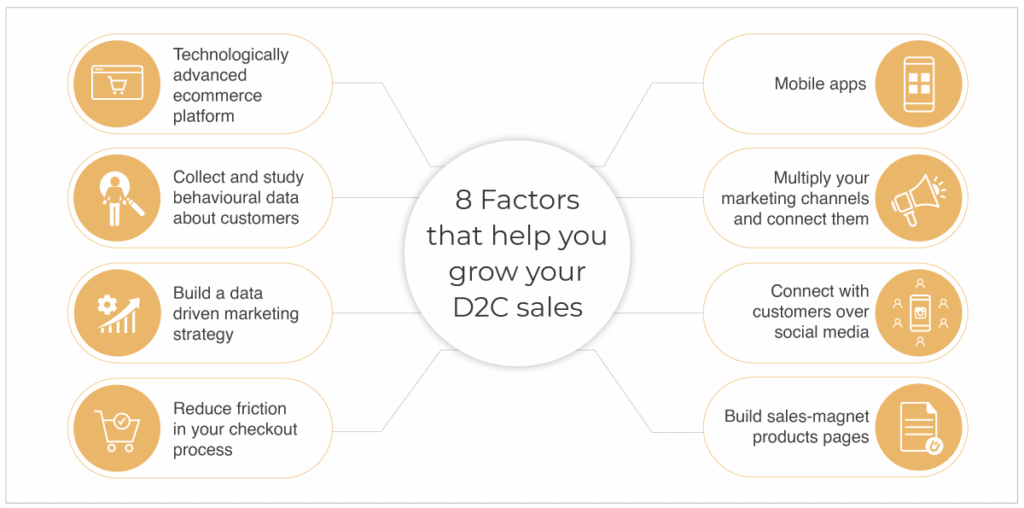
What is an Ecommerce Operations Team Structure?
An ecommerce operations team structure for scaling D2C brands refers to how your team is organized to handle daily business tasks like order processing, marketing, inventory, customer service, and logistics.
Instead of one person doing everything, tasks are divided among specialists. This improves efficiency and helps your business grow faster.
Without a proper structure:
- Work gets delayed
- Mistakes increase
- Customer experience suffers
With a good structure:
- Tasks are clearly defined
- Work becomes faster
- Growth becomes manageable
Why Scaling Brands Need a Strong Team Structure
As your brand grows, operations become more complex. A small team setup that worked earlier will not work anymore.
Here’s why you need a strong ecommerce operations team structure for scaling D2C brands and Ecommerce Backend Process Optimization Improves Profitability and Operational Efficiency:
- Higher order volume needs better systems
- Customer expectations increase
- Marketing channels multiply
- Inventory management becomes critical
A structured team helps you stay organized and avoid chaos.

Core Departments in an Ecommerce Operations Team
To build an efficient ecommerce operations team structure for scaling D2C brands, you need to divide your team into key departments.
1. Operations & Supply Chain Team
This team handles everything related to product movement.
Main responsibilities:
- Inventory management
- Vendor coordination
- Warehouse operations
- Order fulfillment
This team ensures that products are available and delivered on time.
This directly improves your order fulfillment process, which is one of the most important parts of ecommerce success.
2. Marketing Team
Marketing drives traffic and sales.
Main responsibilities:
- Paid ads (Google, Meta)
- SEO and content
- Social media management
- Email marketing
A strong marketing team improves your conversion rate optimization by bringing the right audience to your store.
3. Customer Support Team
Customer experience defines your brand reputation.
Main responsibilities:
- Handling queries
- Managing returns and refunds
- Solving complaints
- Providing product support
This team plays a big role in improving your customer experience management.
4. Technology & Website Team
Your website is your store, so it must run smoothly.
Main responsibilities:
- Website maintenance
- Bug fixing
- Checkout optimization
- Performance improvement
This team ensures smooth operations and supports inventory management system integrations.
5. Finance & Analytics Team
This team tracks money and performance.
Main responsibilities:
- Revenue tracking
- Profit analysis
- Budget planning
- Data reporting
They help you make better decisions using ecommerce workflow automation tools and data insights.
Ideal Team Structure for Different Growth Stages
Your ecommerce operations team structure for scaling D2C brands should evolve as your business grows.
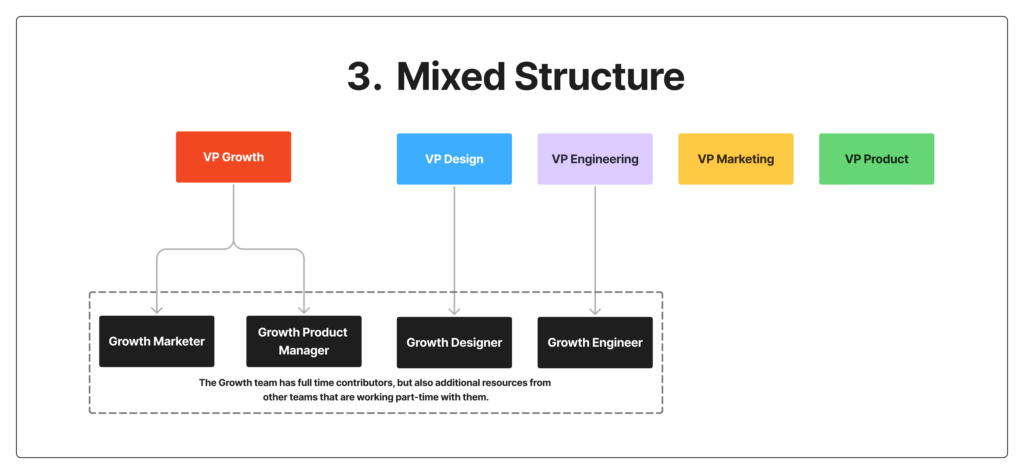
1. Early Stage (Startup)
Small team with multitasking roles.
- Founder handles operations
- One marketer
- One customer support person
Focus on basic inventory management system and simple workflows.
2. Growth Stage
Team starts expanding.
- Dedicated marketing team
- Separate operations manager
- Customer support team grows
You begin using ecommerce workflow automation tools to save time.
3. Scaling Stage
Now you need a structured team.
- Head of Operations
- Marketing specialists (SEO, Ads, Content)
- Supply chain manager
- Customer support team
- Data analyst
At this stage, your ecommerce operations team structure for scaling D2C brands becomes more specialized and efficient.
Key Roles You Must Hire for Scaling
To build a strong ecommerce operations team structure for scaling D2C brands, these roles are very important:
- Operations Manager
- Performance Marketer
- Customer Support Executive
- Inventory Manager
- Data Analyst
Each role focuses on a specific area, improving efficiency and reducing workload.
How to Improve Team Efficiency
Just building a team is not enough. You must make sure your team works efficiently.
Here are some simple ways:
- Use clear SOPs (Standard Operating Procedures)
- Automate repetitive tasks
- Use tools for tracking performance
- Set clear goals for each team
Using ecommerce workflow automation can save time and reduce human errors.
Importance of Automation in Scaling
Automation is a game changer.
It helps in:
- Order processing
- Inventory updates
- Email marketing
- Customer support
When you combine automation with a strong ecommerce operations team structure for scaling D2C brands, your business grows faster with fewer mistakes.
Common Mistakes to Avoid
Many brands fail because of poor team structure.
Avoid these mistakes:
- Hiring too late
- Not defining roles clearly
- Overloading one team member
- Ignoring customer support
A weak structure affects your customer experience management and reduces growth.
Read More: Founders Struggle With How to Scale D2C Operations After Initial Growth
Tools That Help Build a Strong Team
Using the right tools makes your team more efficient.
Popular tools include:
- Inventory management tools
- CRM software
- Marketing automation tools
- Analytics dashboards
These tools support your inventory management system and improve your order fulfillment process.
How Team Structure Impacts Growth
A good ecommerce operations team structure for scaling D2C brands directly impacts:
- Sales growth
- Customer satisfaction
- Operational efficiency
- Profit margins
It also improves conversion rate optimization by making your processes smooth and fast.

Conclusion
Building the right team structure is one of the most important steps for scaling your ecommerce brand. Without a proper system, growth can quickly turn into chaos. A well-defined ecommerce operations team structure for scaling D2C brands helps you manage tasks efficiently, improve customer satisfaction, and increase profits.
Start small, but plan for growth. Hire the right people at the right time and clearly define their roles. Use automation tools to reduce manual work and improve speed. Always focus on improving your order fulfillment process, customer experience management, and conversion rate optimization.
As your brand grows, keep upgrading your team structure. A strong foundation will help you scale smoothly and build a successful ecommerce business in the long run.
FAQs
1. What is the best ecommerce operations team structure for beginners?
For beginners, a simple setup works best where a small team handles multiple roles. As your business grows, you can divide responsibilities into marketing, operations, and customer support for better efficiency.
2. When should I start building a proper team structure?
You should start building a structured team when your order volume increases and tasks become difficult to manage. This helps avoid errors and ensures smooth growth.
3. How important is automation in ecommerce operations?
Automation is very important as it reduces manual work, saves time, and improves accuracy. It also helps your team focus on important tasks instead of repetitive work.
4. What roles are most important for scaling D2C brands?
Key roles include operations manager, marketer, customer support executive, and inventory manager. These roles help manage different parts of the business effectively.
5. How can I improve my ecommerce team’s performance?
You can improve performance by setting clear goals, using automation tools, tracking metrics, and providing proper training to your team.
Focus
ecommerce operations team structure for scaling D2C brands
LSI Keywords
- order fulfillment process
- inventory management system
- customer experience management
- ecommerce workflow automation
- conversion rate optimization