Return to Origin (RTO) is a significant challenge for D2C (Direct-to-Consumer) brands. Every RTO shipment costs money, reduces customer satisfaction, and impacts brand reputation. One of the most effective strategies to minimize RTO is how to reduce RTO using address verification and confirmation. By verifying and confirming addresses before dispatch, D2C brands can ensure timely deliveries, avoid failed shipments, and build trust with customers.
This article explains in simple, easy-to-understand language how to reduce RTO using address verification and confirmation, why it is important, and practical steps to implement it in D2C operations.
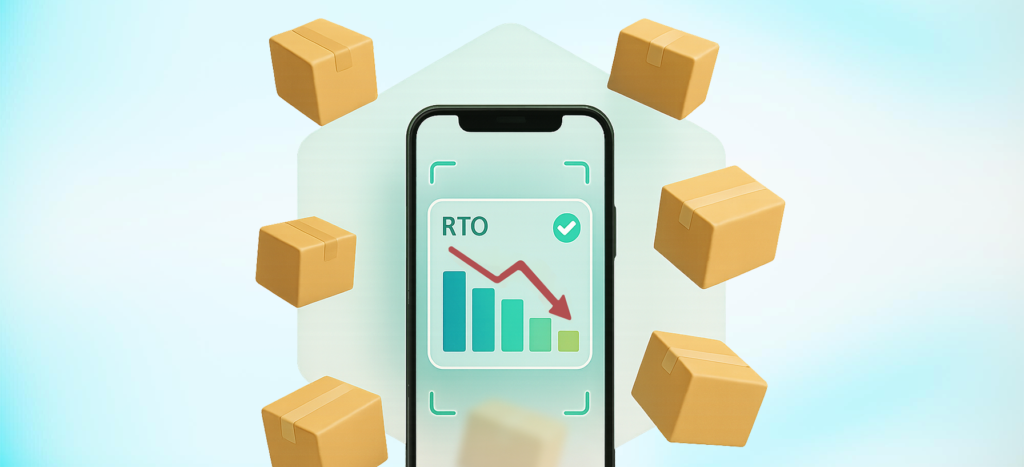
What is RTO and Why Does It Happen?
RTO, or Return to Origin, happens when a shipment cannot be delivered to the customer and is sent back to the seller. In D2C brands, RTO can occur due to:
- Incorrect or incomplete addresses
- Customer unavailability
- Wrong contact information
- Courier errors
- Fraudulent orders
High RTO increases costs, creates operational inefficiencies, and reduces customer satisfaction in ecommerce. Understanding how to reduce RTO using address verification and confirmation is essential to tackle this challenge.
What is Address Verification and Confirmation?
Address verification is the process of validating a customer’s address for accuracy and completeness before shipment. Address confirmation goes a step further by confirming the address with the customer via phone, SMS, WhatsApp, or email.
Both processes are crucial in RTO prevention strategies because they:
- Reduce failed deliveries in D2C brands
- Improve shipping efficiency in D2C operations
- Enhance customer satisfaction in ecommerce
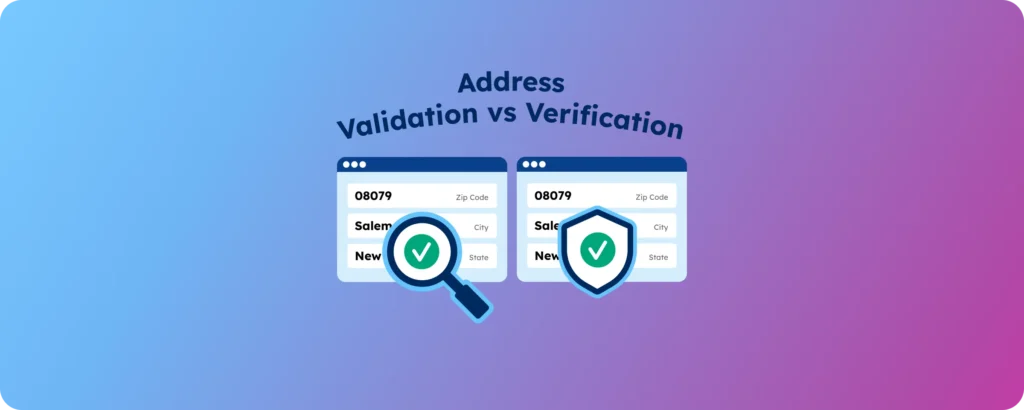
Why Address Verification Matters
Accurate addresses form the foundation of successful deliveries. The impact of address verification is directly linked to minimizing RTO. Benefits include:
- Ensuring couriers can locate the delivery address without confusion
- Reducing delivery delays or cancellations
- Preventing repeated delivery attempts
- Detecting invalid or incomplete addresses before shipment
By implementing how to reduce RTO using address verification and confirmation, D2C brands can save costs and improve operational performance.
Methods to Verify Customer Addresses
D2C brands can adopt several methods to verify addresses:
- Automated Address Validation Tools: Real-time verification during checkout
- Postal or Government Database Verification: Checking against official records
- Manual Verification Calls: Contacting customers directly to confirm details
- Courier Partner Verification Services: Leveraging courier APIs for address validation
These approaches strengthen RTO prevention strategies and improve overall shipping efficiency in D2C operations.
Importance of Address Confirmation
Address confirmation ensures that the customer is aware of the shipment and the address is correct. Methods include:
- Phone calls
- SMS or WhatsApp messages
- Email notifications
Benefits of address confirmation in D2C brands include:
- Increasing first-time delivery success rates
- Avoiding delivery attempts when the customer is unavailable
- Building trust with proactive communication
Address confirmation is an essential step in how to reduce RTO using address verification and confirmation.

How Address Verification and Confirmation Reduce RTO
Combining address verification and confirmation can dramatically reduce RTO:
• Reduces Incorrect Addresses
Many RTOs how to reduce RTO using address verification and confirmation happen due to missing apartment numbers, wrong pin codes, or incomplete street names. Automated and manual verification ensures accurate addresses before dispatch.
• Confirms Customer Availability
By confirming delivery details, brands ensure the customer is present to receive the shipment. This minimizes failed attempts and returns.
• Detects Fraudulent Orders
Address verification helps identify suspicious or fake addresses, preventing losses and avoiding unnecessary shipments.
• Optimizes Courier Operations
Accurate addresses allow courier partners to deliver packages efficiently, reducing operational strain and enhancing shipping efficiency in D2C operations.
• Enhances Customer Communication
Customers appreciate proactive notifications about their delivery, which improves the customer experience in ecommerce and reduces RTO.
Challenges in Address Verification and Confirmation
While highly effective, these processes come with challenges:
- Customer non-responsiveness during confirmation calls or messages
- High order volumes making manual confirmation time-consuming
- Integration issues with existing ecommerce platforms
- Limited address validation options from some courier partners
Overcoming these challenges is key for effective how to reduce RTO using address verification and confirmation strategies and How to Scale D2C Operations After Initial Growth.
Best Practices for D2C Brands
To reduce RTO, D2C brands can implement the following:
- Integrate Automated Verification Tools: Validate addresses during checkout for accuracy
- Pre-Dispatch Confirmation Messages: Use SMS, WhatsApp, or email to confirm addresses
- Train Customer Support Teams: Ensure teams can handle verification efficiently
- Leverage Courier Partner Tools: Many courier APIs offer address validation
- Analyze RTO Data: Identify patterns and regions with high RTO to improve operations
These practices are part of a robust RTO prevention strategy that ensures shipping efficiency in D2C operations.
Benefits of Reducing RTO
Reducing RTO provides multiple advantages:
- Cost Savings: Less money spent on failed shipments and reverse logistics
- Improved Customer Satisfaction: On-time delivery increases trust and loyalty
- Operational Efficiency: Fewer RTOs reduce strain on logistics teams
- Enhanced Brand Reputation: Reliable delivery builds credibility
- Data Accuracy: Verified addresses improve future order processing
By focusing on how to reduce RTO using address verification and confirmation, D2C brands strengthen both operations and customer relationships.
Future Trends in Address Verification and Confirmation
Technology is advancing to make address verification and confirmation more effective:
- AI-Powered Validation: Detect errors automatically in real-time
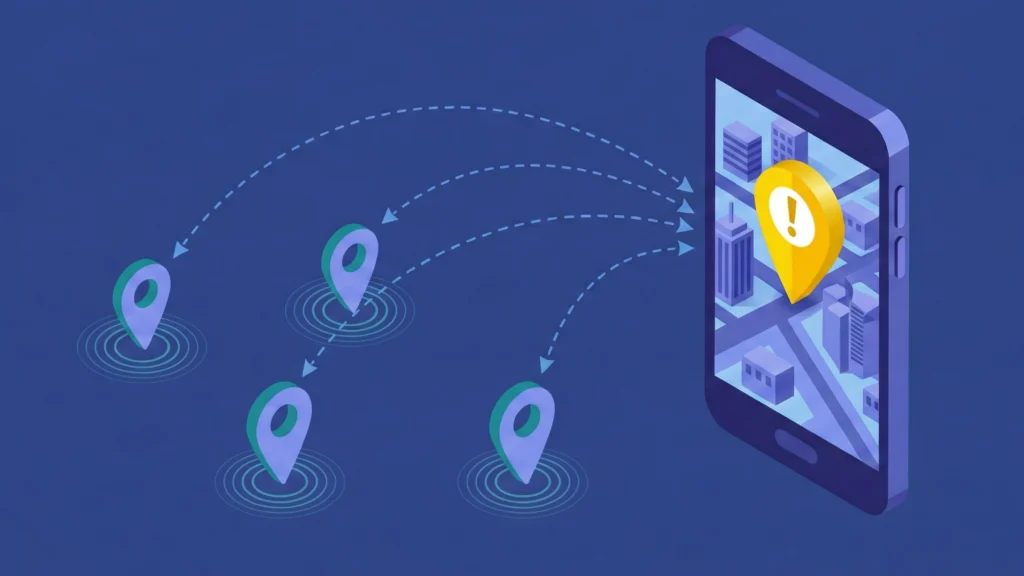
- Geolocation Verification: Use GPS for precise delivery locations
- Integrated CRM Systems: Automate confirmation with customer databases
- Predictive Analytics: Identify high-risk RTO regions and address issues proactively
These innovations improve RTO prevention strategies and enhance shipping efficiency in D2C operations.
Conclusion
The impact of address verification and confirmation on reducing RTO in D2C brands is immense. Accurate and confirmed addresses ensure packages reach customers on the first attempt, saving money and improving customer satisfaction in ecommerce.
High RTO not only increases operational costs but also harms the brand’s reputation. By implementing automated verification tools, pre-dispatch confirmations, and analyzing RTO patterns, D2C brands can optimize fulfillment and reduce failed deliveries and Ecommerce Internal Systems for Growth Before Scaling Marketing.
Reducing RTO builds customer trust, enhances operational efficiency, and strengthens the business. A structured system for how to reduce RTO using address verification and confirmation is no longer optional—it is essential for scalable growth in today’s competitive D2C market.
FAQs
1. What is RTO in D2C brands?
RTO, or Return to Origin, happens when a shipment cannot be delivered and is returned to the seller. Causes include incorrect addresses, customer unavailability, and courier errors. Reducing RTO improves customer satisfaction in ecommerce.
2. How does address verification help reduce RTO?
Address verification ensures the customer’s address is complete and accurate. It prevents failed deliveries, saves money on reverse logistics, and strengthens RTO prevention strategies.
3. How does address confirmation prevent failed deliveries?
Confirmation validates the address and customer availability through calls, SMS, or emails. This increases first-time delivery success and reduces RTO, improving the customer experience in ecommerce.
4. Can D2C brands automate address verification?
Yes. Many ecommerce platforms and tools allow real-time address validation during checkout, reducing human errors and increasing shipping efficiency in D2C operations.
5. What are the benefits of reducing RTO using address verification and confirmation?
Reducing RTO saves costs, improves fulfillment efficiency, enhances customer trust, and strengthens the brand. These measures are critical for scalable RTO prevention strategies.